Keep every robot connected on one converged fabric
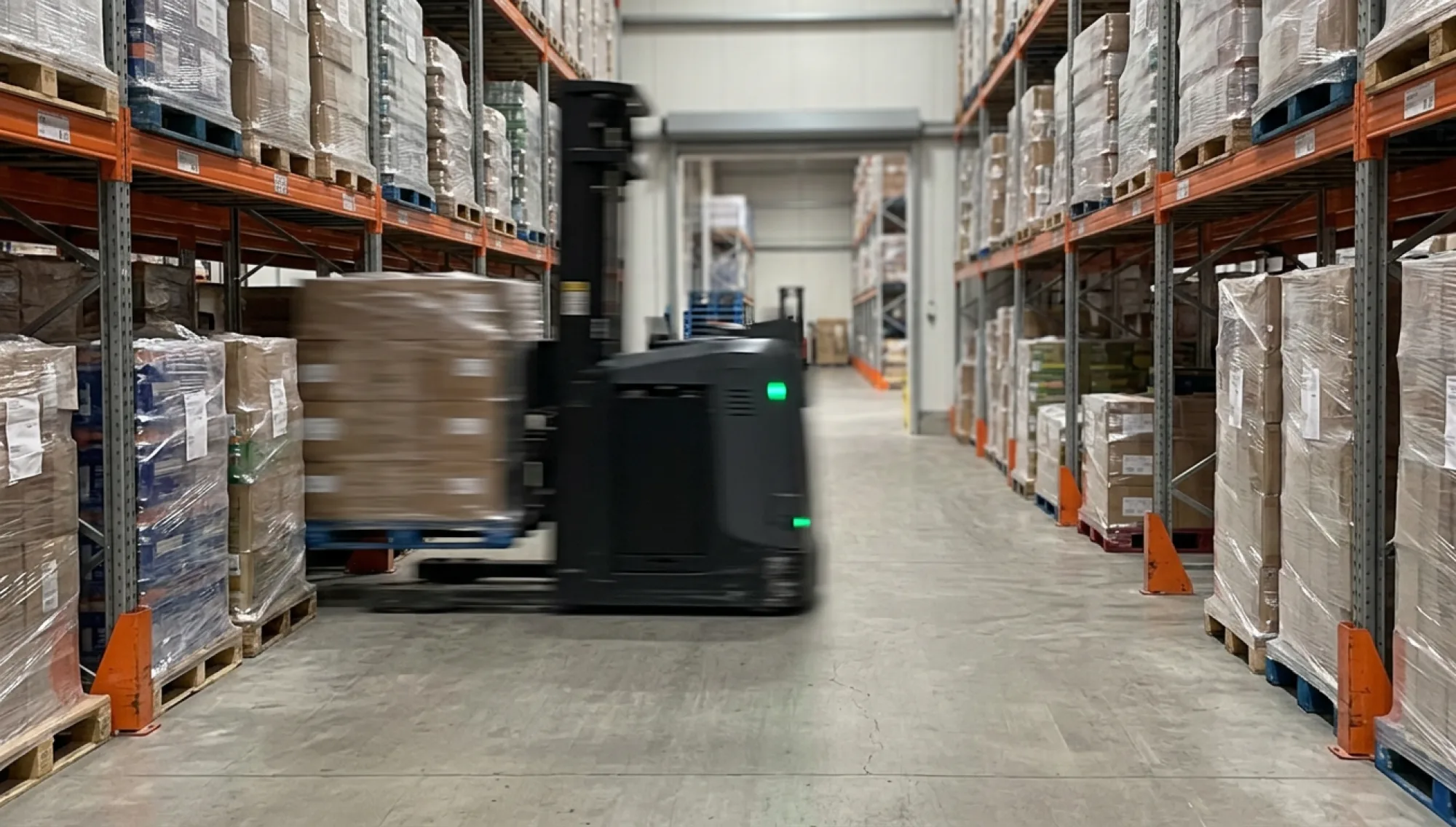
AGVs, AMRs, autonomous forklifts, and yard trucks roam the floor and the yard - private 5G and Wi-Fi under one Orchestrator keep them connected, controlled, and safe, with no dead zones and no dropped sessions.
Trusted by leading enterprises











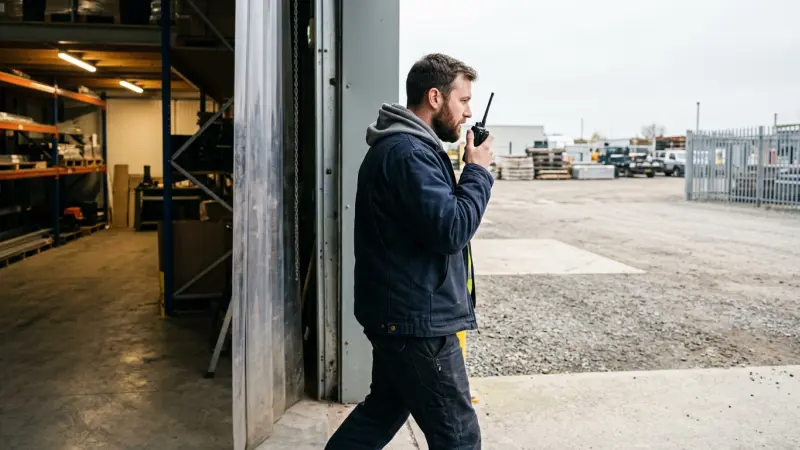
Robots have left the cage - AGVs, AMRs, forklifts, and vision-guided robots now work indoors and out. Each needs constant communication with its orchestration platform; a dropped packet or coverage gap stalls it into a safety-stop. Dense shelving, metal, and electromagnetic noise are where best-effort Wi-Fi struggles most.
Celona Orion carries control, telemetry, and video on one converged fabric - private 5G for deterministic coverage and mobility, Wi-Fi for high-bandwidth use cases like software updates.
Automation only pays off if the network under it never blinks - and robots are multiplying faster than the plant Wi-Fi was ever built to carry.
“The worldwide market for warehouse automation is projected to grow by about 23% by 2030.”
- MCKINSEY
“Reliable connectivity is essential for the dispatch and control of AGV and AMR operations. When faced with poor connectivity, AGVs will simply stall due to safety considerations, causing disruption to factory operations costing tens of thousands of dollars each hour.”
- SUPPLY-CHAIN ROBOTICS MANUFACTURER (CELONA DEPLOYMENT)
Fleet coverage everywhere robots roam
AGVs, AMRs, autonomous forklifts, and yard trucks need continuous coverage across the whole facility - every aisle, every level, indoors and out - with no dead zones.
The AGV market is valued at ~$4.79B and growing ~9.7% a year, driven by productivity, labor savings, and hazardous-environment use. (MarketsandMarkets)
Seamless roaming at machine speed
Robots moving up to 25 mph have to hand off between access points without dropping the session that carries their control and telemetry traffic.
In a 400-AGV deployment, Celona delivered >98% successful handovers - about 1/10th the failures of Wi-Fi - with handover times roughly 1/4 of Wi-Fi’s. (Celona AGV deployment data)
Deterministic control and safety
Dispatch, motion control, and safety loops need consistent, jitter-free latency; a spike or a dropped packet safety-stops the robot and halts the line.
Unplanned downtime now costs manufacturers $125K-$260K per hour on average. (ReliaMag, Aberdeen/ABB)

One fabric for robots, vision, and people
Robots, the cameras and LiDAR riding them, sensor fleets, and the people working alongside all ride one converged fabric - each with its own guaranteed class of service.
Over 4.6M industrial robots are now in operation worldwide, with ~540K installed in 2024 alone. (IFR World Robotics 2025)
Connecting robots in motion requires a different network
Celona Orion is the industry’s first agentic converged wireless platform - bringing private 5G, Wi-Fi, and (as reach extends) public mobile and satellite together as one deterministic fabric, run as a single control plane, so every robot, camera, and sensor stays on one identity and one policy.
Converged. Agentic. Trusted.
Robots stay connected everywhere they roam
Continuous coverage across every aisle, level, and outdoor yard - no dropped sessions.
Every control loop runs on time
Deterministic, guaranteed performance so a robot never stalls on the network.
One network you can see and secure
A single, fully-visible fabric for every robot, camera, and sensor.
Proof - real sites, real results
Robots, gateways, and edge devices certified on Celona through interoperability testing - bringing AGVs, AMRs, and their cameras and sensors onto the converged fabric.

Cellular gateways & routers
Digi (IX30/IX40), Sierra Wireless (RV55), and others bridge non-cellular robots, PLCs, and cameras onto the fabric, with Supernetting keeping each individually visible.

Ruggedized handhelds & tablets
Scanners and eSIM tablets built for the floor and yard.

Consumer smartphones & tablets
eSIM-connected on the private network (as in the Del Conca deployment).