Supernetting
Visibility for every device behind a 5G gateway
Devices behind a 5G gateway keep their own IP identity on the enterprise network, so each one can be seen, reached, and secured individually.
Technical DocThe Problem
NAT turns cellular gateway into its island
Non-5G devices - PLCs, cameras, robots, laptops - use 5G gateways to connect to Celona Orion.
Each gateway NATs into its own subnet and DHCP scope. Across hundreds of routers, visibility into these endpoints is lost - and a sprawl of subnets piles up to manage.
The Solution
Supernetting: One Route, Full Visibility
Supernetting shifts routing off the gateways and onto the Celona Edge. Turn NAT off, relay DHCP and DNS upstream, and the Edge auto-discovers every router and endpoint, mapping each IP to the right 5G interface. Per-router subnets collapse into one supernet, so the corporate LAN reaches any device with a single route to the Edge — full OT/IT visibility, no per-gateway NAT to reconcile.

End-to-end device visibility
Endpoints behind 5G mobile routers become individually reachable from the corporate LAN.
Benefit: monitor, manage, and secure every OT/IT device directly - no blind spots behind NAT.

One supernet instead of subnet sprawl
Consolidate the many per-router subnets and DHCP scopes into a single supernet at the Edge.
Benefit: far less to configure and track as you scale to dozens or hundreds of gateways.
No NAT on the gateways
The Edge does the routing; mobile routers simply route and relay DHCP upstream.
Benefit: removes the NAT islands that hide devices and complicate troubleshooting.

Native enterprise integration
Everything maps to standard VLANs, DHCP, and a single static route to the Edge.
Benefit: fits your existing routing, IPAM, and security model - no forklift.

Template-driven, per device group
Supernetting is an Advanced Network Config template applied to the mobile-router device group.
Benefit: consistent, repeatable rollout across sites from the Orchestrator.
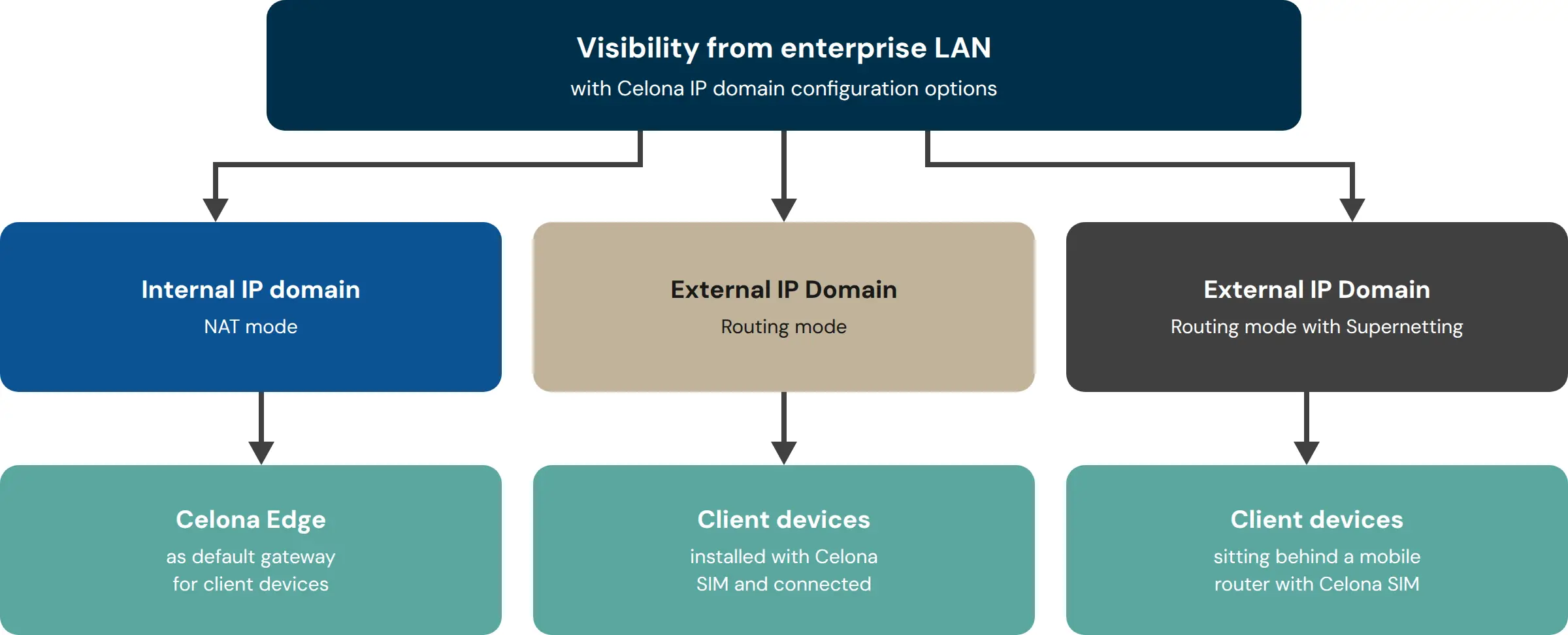
5G LAN Flexible routing architecture
Supernetting builds on Celona’s two Network Domain modes; choosing the right one is about how much visibility a deployment needs.
Where Supernetting fits:
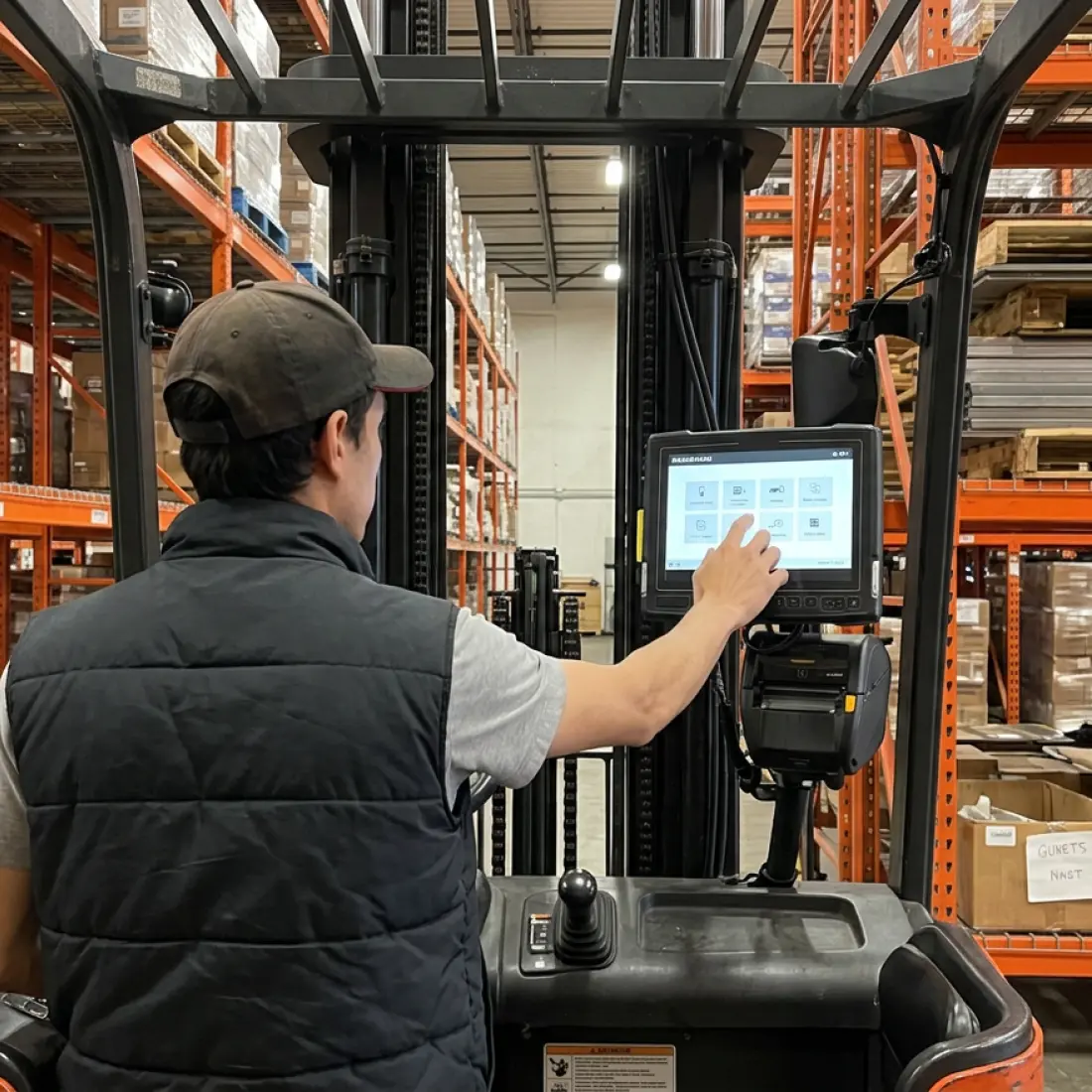
Fleet & vehicle connectivity
Connect every wired device in the vehicle — cameras, telematics, mobile data terminals — behind a single in-vehicle router, then reach each one directly from the LAN.
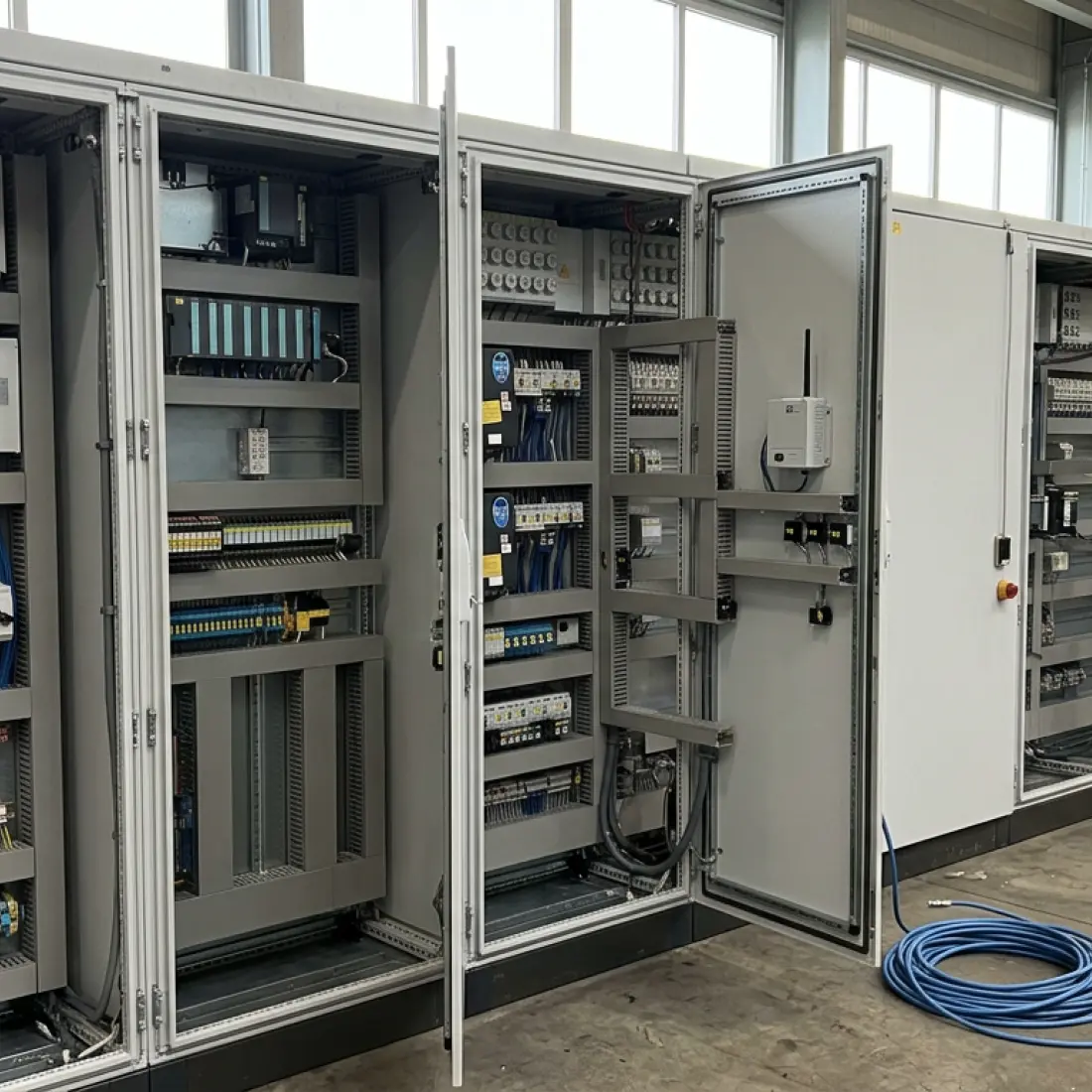
Manufacturing & OT
Bring PLCs, HMIs, and machine-vision endpoints behind ruggedized gateways onto the enterprise network, with full visibility and clean IT/OT separation.
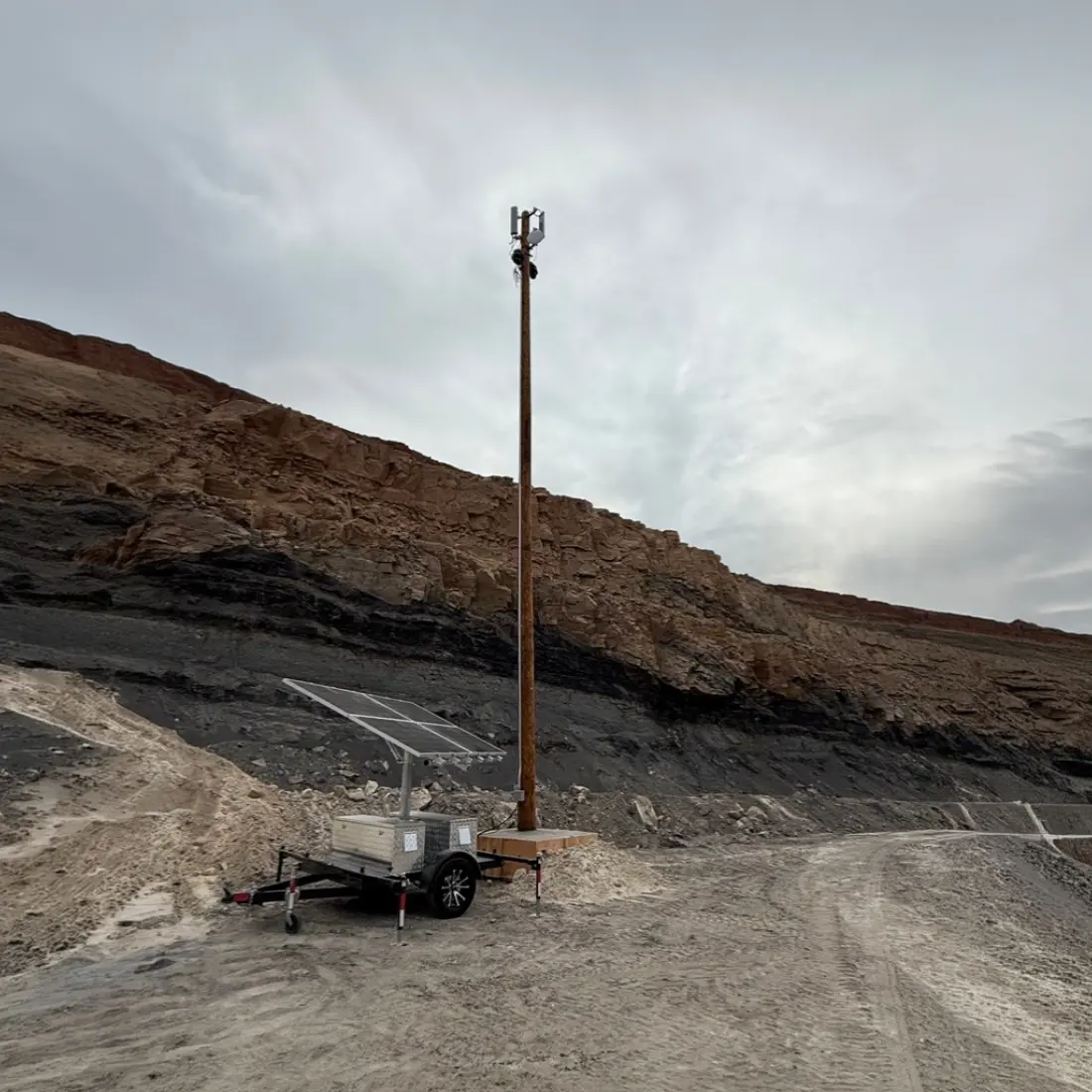
Outdoor & wide-area sites
Onboard fixed and mobile OT behind gateways across a large site, with no subnet required per gateway — built for mining, ports, and logistics yards.
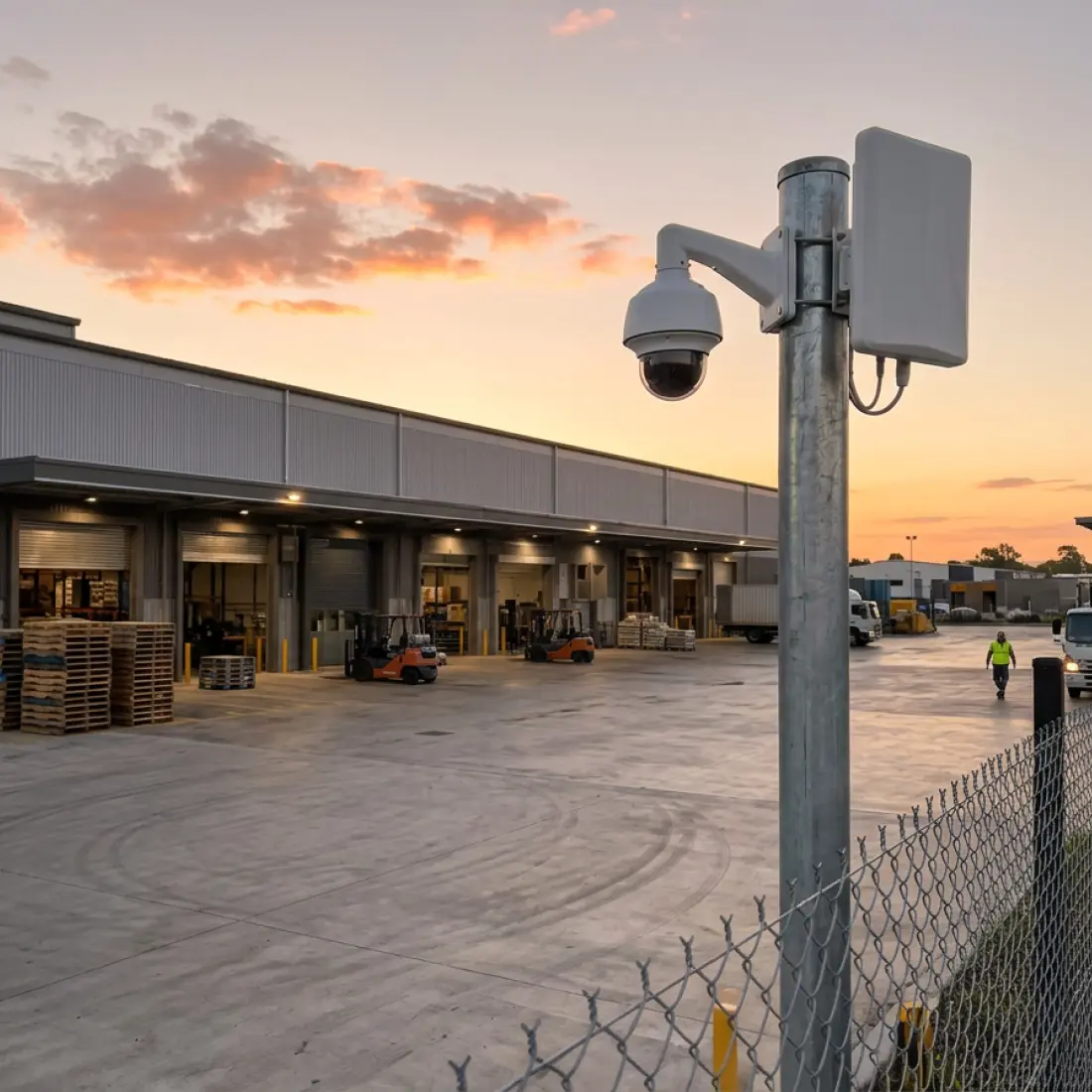
Video surveillance & IoT fleets
Put cameras and sensors behind routers as individually addressable, fully monitorable endpoints — at any scale.