
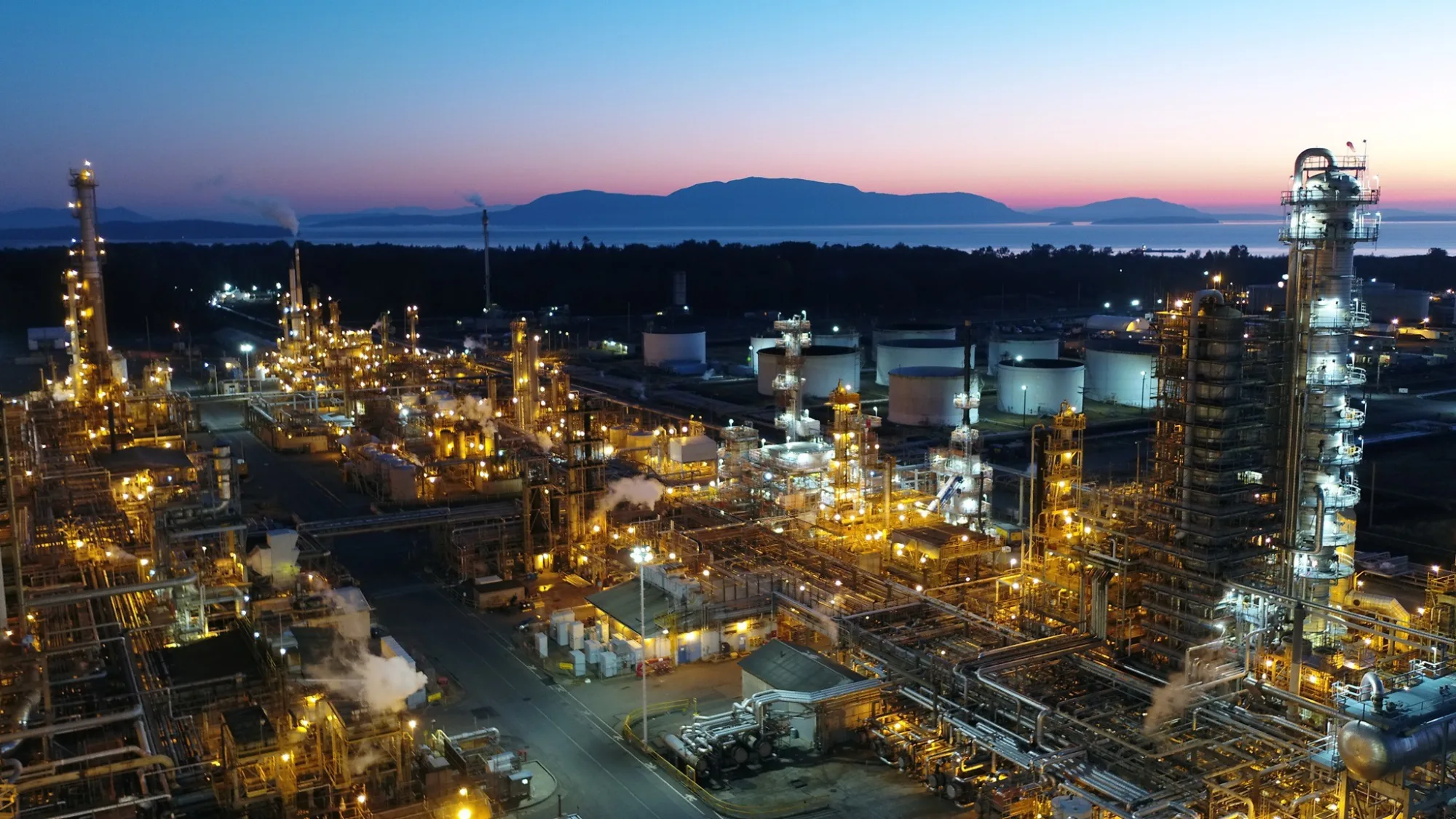
See the whole site, not just the wired part of it
Extend reliable, governed coverage to the workers, assets, and sensors your control system was never built to reach, so the applications that protect uptime, safety, and operating cost work everywhere on site.
The Problem
You’re accountable for the whole site. The network only covers part of it
The wired control system runs the process and always will - but it only reaches what was cabled when the plant was built. Everything past that line is a blind spot.
The remote pump too far to justify trenching to it
The tank farm at the edge of the site
The worker in the restricted zone
The gauge no one ever instrumented
Today these run on paper rounds, manual checks, and emergencies coordinated by radio and phone - where unplanned downtime, safety exposure, and avoidable cost hide.
The Answer
One governed wireless layer the site owns and controls
Celona Orion isn’t a single application. It’s the foundation under a basket of them.

Connected workers
Real-time records and remote experts in the field
Condition monitoring
On assets that were never instrumented

Gas detection & worker safety
In hazardous areas

Live video
From locations where it isn’t safe to be
It compounds
Every application after the first adds only its own devices - not a new network.
Clean IT/OT boundary
Visibility improves without new exposure to control and safety systems.
This is foundational infrastructure, not a point solution
A 7-10 year horizon, in facilities built to run for 20-40.
Whether you’re holding a continuous process near nameplate or running a line through changeovers, you answer for outcomes the control system alone can’t deliver. This is the layer the next decade of applications will run on.
Where this role feels the most pressure
Each capability, and the operating outcome it returns.
Site-wide coverage
From access points mounted on existing steel. Close the connectivity gaps that block production visibility, with no trenching, no new conduit, and no multi-year build.
Real-time safety and gas detection
Across the hazardous-area footprint. Replace manual checklists and intermittent rounds with continuous coverage, so compliance is provable and a hazard is detected the moment it appears, not at the next round.
Condition monitoring
On assets the control system never reached. Early warning on the rotating assets that drive unplanned outages, before they become downtime.
Connected workers
With records, permits, and remote experts in the field. Cut cycle time on inspections, permits, and procedures, and keep skilled people on tools instead of walking back to a terminal.
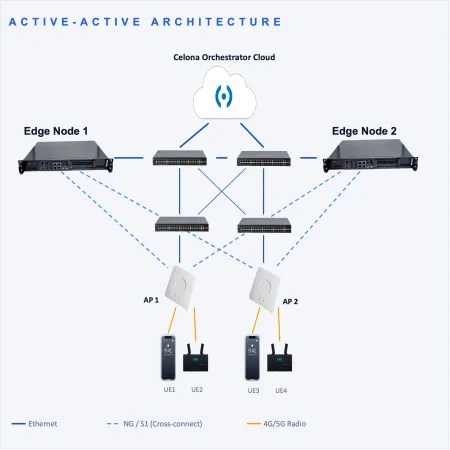
One governed network
With a clean IT/OT boundary. Give operations full visibility without exposing control and safety systems, so better data does not mean more cyber risk.
Three things you can do from here

Book a use case workshop
Bring your highest-cost operational problem, the recurring outage, the compliance exposure, or the turnaround bottleneck, and map it to a solution architecture.

Run the numbers for your site
Use the pricing estimator to weigh infrastructure cost against your current connectivity spend, where the civil work, not the radios, is the real cost.

Review deployment evidence from a comparable site
See measured results from a refinery of similar scale before you commit.
Go deeper
More resources on private wireless for the enterprise.

Start with the problem that costs you the most
Bring one operational problem to a workshop and leave with an architecture for it.